
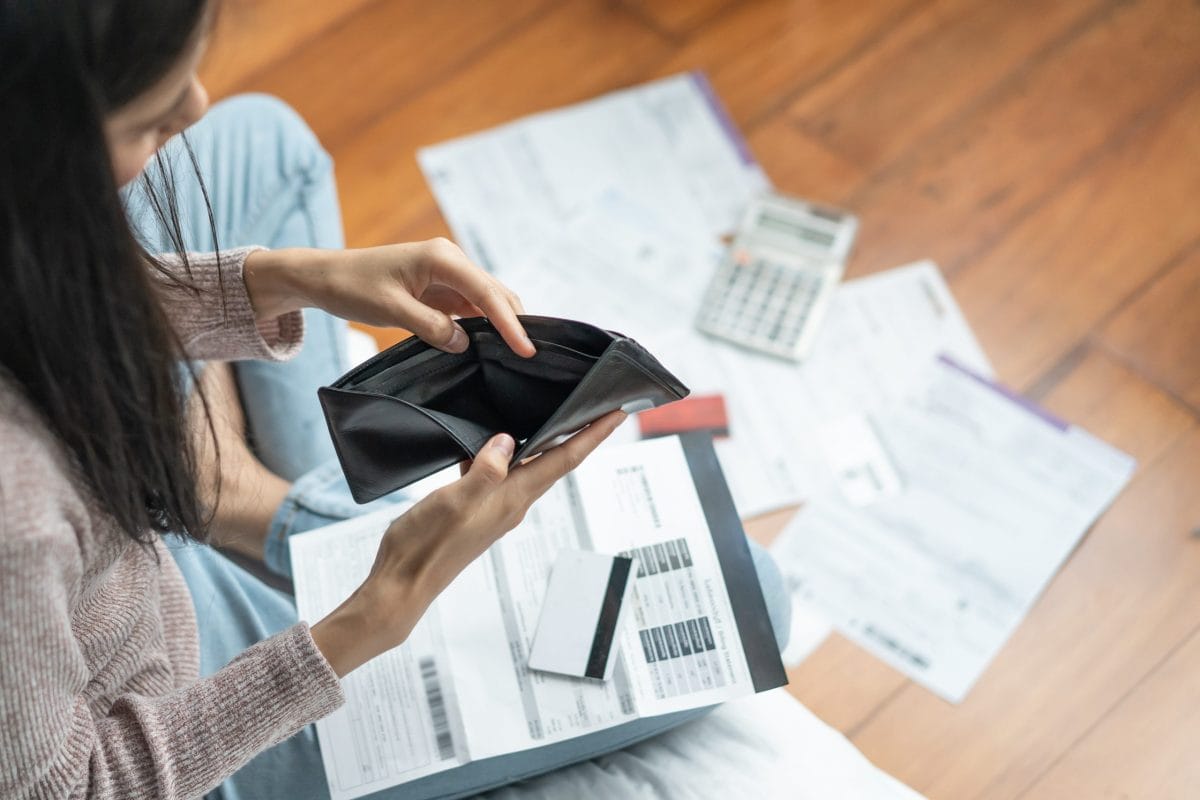
A quick online search for information about the savings Australians hold produces some alarming figures. Approximately 8 per cent of adults have no savings whatsoever. About 15 per cent have less than $100 in the bank. A total of 40 per cent of people have less than $1,000 in savings, it is suggested.
That’s a lot of people under constant financial duress. It’s difficult to enjoy life when subject to money pressures. There are several steps that can be taken to save more and build financial reserves for greater security.
The first step is to have a close look at our budget, what we earn and what we spend. Does it show a deficit that matches our money reality? Doing a budget review can be confronting, but it will also highlight patterns of habitual spending. Many of those will be essential but some may be unnecessary.
Once we have the budget information it may be possible to find ways we can reduce costs. Budgeting can be boring but it can also become exciting if we can use it to create surpluses.
Reviewing our spending is very important. The cost of living continues to rise. Housing, electricity and petrol prices are all increasing faster than inflation. Incomes have only been rising at about the inflation rate. We must identify what we can cut back on or do without.
Next, open a separate bank account for saving, one only for saving, and harder to access. Then commit to putting a small amount of money into that account every payday. An automatic debit from our pay account into our savings account is best.
If the debit happens automatically each payday we probably won’t even miss the money. Once we see the savings account growing we will be motivated to add more to it.
As cash has been replaced by debit and credit cards, we now have less control over what we spend. We swipe our cards with little attention to the actual amount we are paying out. Back when cash prevailed, if the cash ran out there was no more to spend.
Credit cards make it easy to spend money we don’t have, the interest on which is very high. There are also retailer driven buy-now-pay-later schemes that make buying things extremely tempting. These schemes are expensive money traps when our finances are already tight.
It is best to use only debit cards, not credit cards. If a credit card must be retained, cut the limit on it down to a low level, no more than one month’s purchases.
For long-term saving, especially retirement, superannuation is the best option. Reviewing our super account is very important to choose the best investment option and maximise eventual end benefits.