
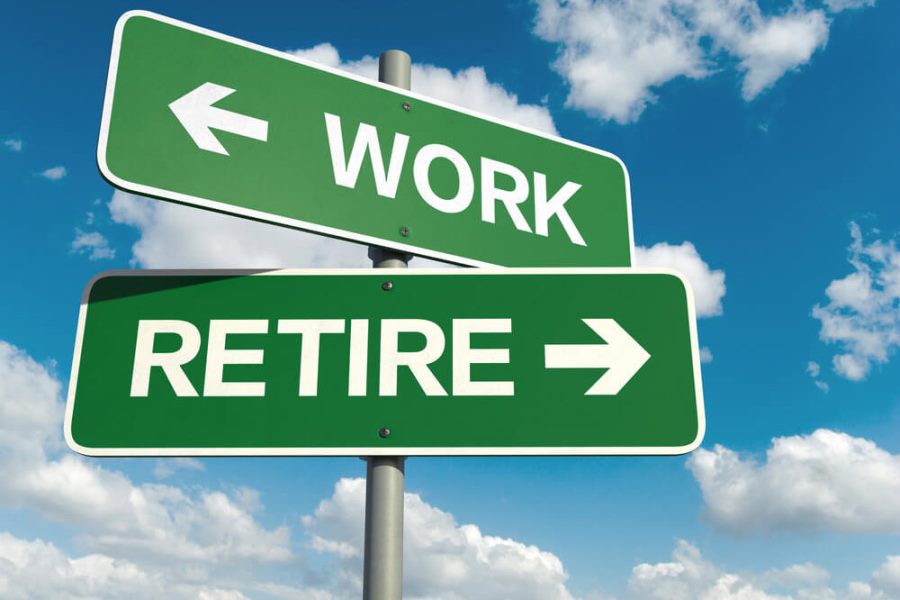
As an adviser to retirees for decades it appears to me that more people are choosing to work for longer before retiring. There seem to be many more 65, 70 and even 75-year-olds, who are still working. In most cases they are comfortable financially and don’t need to work but choose to.
A retiree organisation recently lobbied the Government to change the rules to allow retirees to work part time or casually with less financial loss. They said that from each dollar these workers earn they must pay 32 per cent tax and lose 50 cents of age pension.
That would make a total loss of 82 per cent of income earned, meaning they only keep 18 cents from each dollar. In some circumstances that is true but in most cases it isn’t. There are several reasons.
Firstly, the Assets Test is the dominant test limiting Age Pension entitlement for most retirees, not the Income Test. People who are Assets Test limited can earn at least some extra income without any Age Pension reduction at all.
Secondly, Centrelink allows a ‘work bonus’. Pensioners are allowed to earn up to $300 per fortnight from working, and that amount is entirely disregarded from the Income Test. Only work income in excess of that is assessed.
Centrelink also allows an ‘income bank’. If pensioners do not earn $300 in some fortnights (when not working) that amount is carried forward and can be used to exempt income above $300 from assessment in later fortnights.
So a casual worker gets more than $300 exempted when they are working. A retiree who takes holidays for several months, then works for several months, will have much more than $300 exempted when they are working.
Thirdly, the Seniors and Pensioners Tax Offset (SAPTO) applies to those over age 67, giving them an additional tax offset. This means the tax thresholds are much higher than for younger people.
A single person can earn $35,813 without paying any tax. Partners can each earn up to $31,888 before they start paying income tax. The Age Pension received is taxable so must be included, but a significant amount of work income can still be earned tax-free.
If an older person is working and earning enough so that the 82 per cent loss does apply on part of their earnings their income is higher. If they still get some pension as well, they will be financially comfortable.
In addition there is the benefit of continuing engagement with the community, and making a contribution of skill, experience and wisdom.
These concessions make it quite attractive for those over retirement age to continue working part time, casually, or on a short-term contract.